Yamunotri Tour
Description :

Altitude

Duration

Trek Length

Base Camp

Trek Difficulty

Transportation
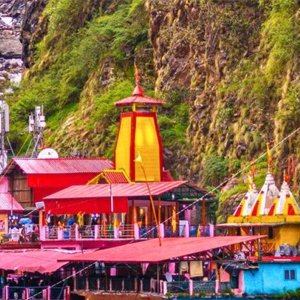
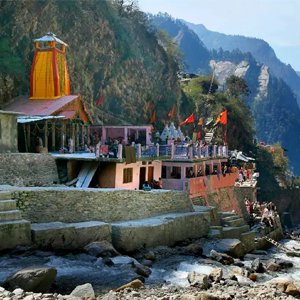
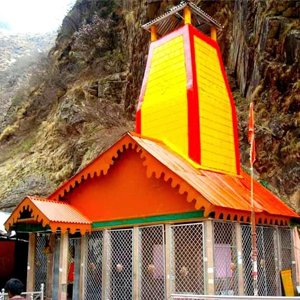
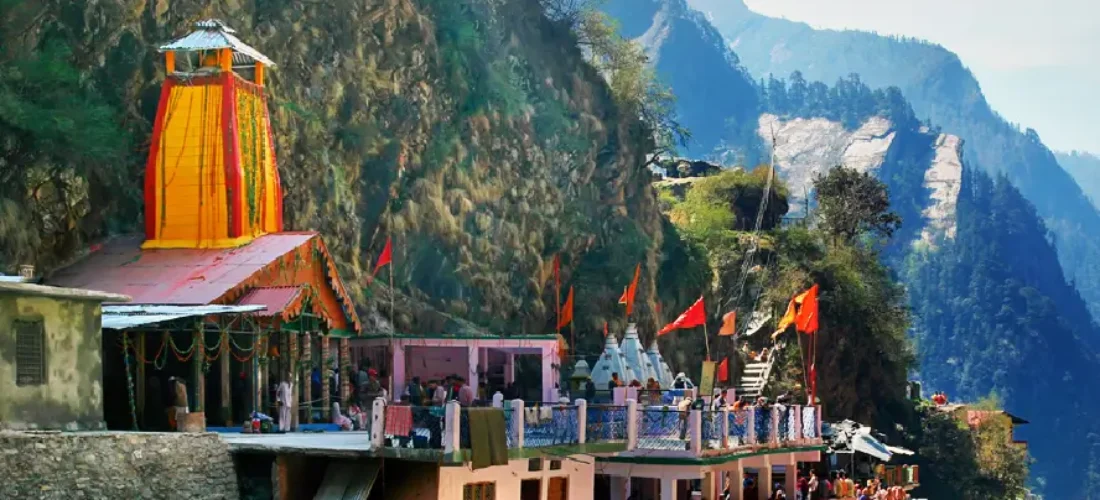
The Yamunotri trek is a spiritually enriching journey nestled in the Himalayas, starting from the charming town of Barkot. The trek begins at Janki Chatti, leading you through a scenic 6 km trail adorned with lush greenery and cascading streams. As you ascend, the majestic peaks provide a breathtaking backdrop. At the summit lies the revered Yamunotri Temple, dedicated to Goddess Yamuna. Pilgrims take a holy dip in the thermal springs of Surya Kund before offering prayers at the temple. This trek not only offers spiritual solace but also immerses you in the serene beauty of the Himalayas.
Itinerary
Day 1: Arrival in Dehradun
- Travel: Arrive in Dehradun, the capital of Uttarakhand.
- Stay: Overnight stay in Dehradun.
Day 2: Dehradun to Barkot (220 km, 7-8 hours)
- Travel: Drive from Dehradun to Barkot via Mussoorie.
- Highlights: Enjoy scenic views of hills, valleys, and rivers en route.
- Stay: Overnight stay in Barkot.
Day 3: Barkot to Janki Chatti (45 km, 2 hours) and Trek to Yamunotri (6 km, 4-5 hours)
- Travel: Drive from Barkot to Janki Chatti.
- Trek: Begin the trek from Janki Chatti to Yamunotri.
- Highlights: Visit Yamunotri Temple, Surya Kund, and Divya Shila.
- Stay: Overnight stay in Yamunotri.
Day 4: Yamunotri to Janki Chatti (Trek 6 km, 3-4 hours) and Drive to Barkot (45 km, 2 hours)
- Trek: Trek back from Yamunotri to Janki Chatti.
- Travel: Drive from Janki Chatti to Barkot.
- Stay: Overnight stay in Barkot.
Day 5: Barkot to Dehradun (220 km, 7-8 hours)
- Travel: Drive back from Barkot to Dehradun.
- Stay: Overnight stay in Dehradun.
Day 6: Departure from Dehradun
- Travel: Depart from Dehradun for your onward journey.
- Accommodation (as per the itinerary):
- Transport Facility from Dehradun to Dehradun. Tempo Travllers or Bolero Taxi
- Forest Permit and entrance fee
- Guest house (Triple sharing).
- Camping (Twin sharing basis).
- Meals (Veg + Egg):
- Breakfast, Lunch, Tea, Coffee, Snacks, Soup and Dinner
- Support:
- 1 Versatile base camp manager handles communication and deploys extra manpower in emergencies.
- 1 Mountaineering & First aid qualified professional trek Leader.
- 1 Experienced high altitude chef.
- Local experienced guides (Number of guides depending on the group size).
- Enough support staff.
- Trek equipment:
- High quality tents
- Sleeping bags
- Mattress
- Liner
- Pillow
- Separate Toilet tents – Ladies and Gents
- Dining Tent
- Dining Table
- Kitchen team
Radio Walkie Talkie for Communication
- First aid:
- Medical kit, Oxygen cylinder, Crampons and Gaiters
- Mules/porters to carry the central luggage.
- Clock room facility available at the base camp for additional luggage.
- All necessary permits and entry fees, Upto the amount charged for Indian.
- Services from Aru to Aru.
- Personal Insurance
- Medical Certificate
- Personal toiletry Items and Personal Medicine kit
- On first day En Route to base camp the Breakfast and Lunch are Not Included
- Last Day En Route Lunch and Dinner are Not Included
- If you not carry your bag during the trek- Offloading Bag Costs Per bag Per day Rs.350.00 This costs pay to Directly our Branch office at Sankri
How To Reach
. By Air:
- Nearest Airport: Jolly Grant Airport in Dehradun.
- Distance to Barkot: Approximately 180 km.
- Connectivity: Jolly Grant Airport is well connected to major Indian cities like Delhi, Mumbai, and Bangalore.
- From Airport: You can hire a taxi or take a bus to reach Barkot, the base camp for the Yamunotri trek.
2. By Train:
- Nearest Railway Station: Dehradun Railway Station.
- Distance to Barkot: Approximately 160 km.
- Connectivity: Dehradun Railway Station is well connected to major cities like Delhi, Mumbai, and Kolkata.
- From Railway Station: You can hire a taxi or take a bus to reach Barkot.
3. By Road:
- From Dehradun:
- Distance to Barkot: Approximately 160 km.
- Travel Time: About 6-7 hours by road.
- Route: Dehradun → Mussoorie → Barkot.
- Transport Options: State transport buses, private buses, and taxis.
- From Delhi:
- Distance to Barkot: Approximately 400 km.
- Travel Time: About 10-12 hours by road.
- Route: Delhi → Haridwar → Rishikesh → Dehradun → Mussoorie → Barkot.
- Transport Options: State transport buses, private buses, and taxis.
Safety :
Points to remember for safety in the trek:
- It is essential that you arrive at the starting point of any hike or excursion in the best possible physical condition and readiness.
- The hike is not tough; in fact, if you can keep both your feet and your mind calm and strong during the journey, you will discover that the hike is rather simple.
- When you are out on a hike, bear in mind that you may not always be with your guide and that you may not always be on the correct trail.
- The majority of individuals glance both where they are going and where they are going while they are walking; this might produce twitching in your legs, which can make the whole journey difficult.
- It is imperative that you see your physician if you are experiencing any kind of health issue.
Fitness :
As you climb to higher altitudes, the air grows thinner and less oxygen is present. The amount of oxygen in our blood is equivalent to the proportion of haemoglobin that is saturated with oxygen. At altitudes above around 2,100 metres (7,000 feet), the amount of oxygen carried by our blood starts to decrease. At the same time, the human body possesses both immediate and long-term adaptations to altitude that help it somewhat compensate for the shortage of oxygen.
A Great First Trek for Anyone Who Wants to Get Into Hiking:
- The Kedarkantha Trip is a Moderate level trek in terms of fitness requirements. The track is well-marked and has only modest inclines and declines. Water fountains may be seen at various points throughout the path. However, it’s still best to be ready if you’re planning your first major Himalayan trekking adventure. Here is a plan for getting in shape for the trip.
- Our hikes are typically designed such that you cover around 9 kilometres in six hours, however this might vary somewhat depending on the terrain. It’s about the same as walking 6 kilometres an hour over the plains, therefore the speed is around 1.5 kilometres per hour.
- Following this plan, you may train yourself to run 3 kilometres in 30 minutes. Always begin your workout routine with some light stretching and warm-up moves.
- Follow this training schedule for trekking fitness required:
- Week 1: Walk for 10 minutes at a fast pace, jog for 10, and finish with a slow stroll for 10 minutes.
- Week 2: 15 minutes of jogging, followed by a 5-minute brisk walk. A leisurely stroll that takes no more than 5 minutes
- Week 3: Walk briskly for five minutes. Jogging for 15 minutes A brisk stroll that takes no more than 5 minutes
- Week 4: Do a brisk 5-minute walk, then a 25-minute jog, and finish with a 5-minute cool down.