Brahmatal Trek
Description :

Altitude

Duration

Trek Length

Base Camp

Trek Difficulty

Transportation
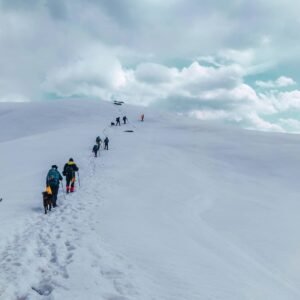
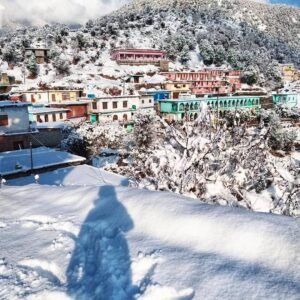
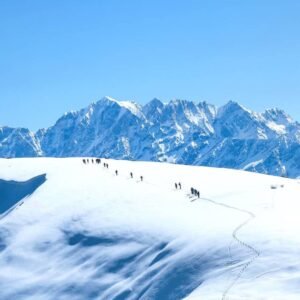
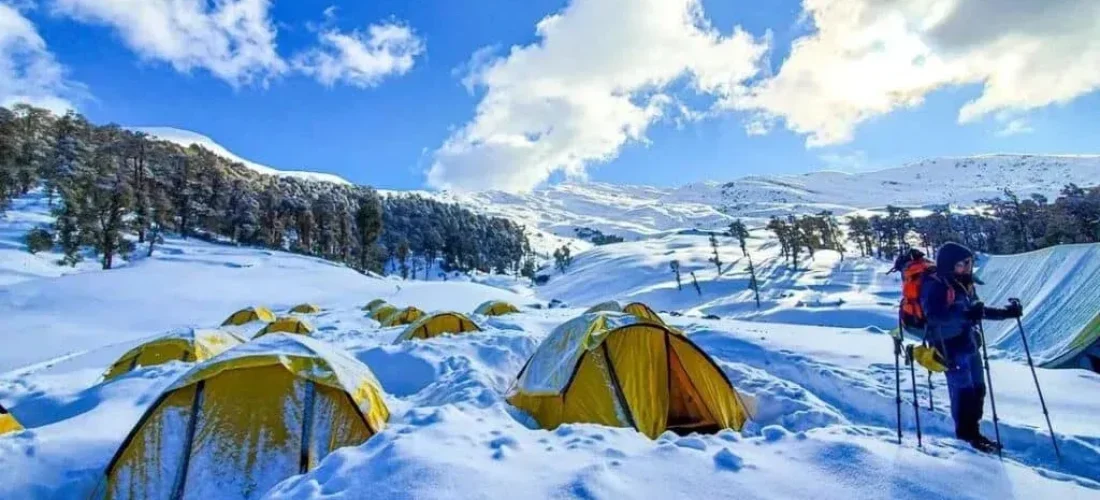
Brahmatal Trek in winter is a mesmerizing journey through the pristine snow-clad landscapes of the Himalayas. This trek, located in the Indian state of Uttarakhand, offers a breathtaking adventure with its stunning alpine meadows, frozen lakes, and panoramic mountain views. The trek to Brahmatal Lake is accessible from the town of Lohajung, which is the starting point of the trek, and is approximately 210 kilometres from Dehradun. Winter in Brahmatal is from December to February and is the prime season for the Brahmatal Trek. During this period, the region is blanketed in snow, offering a surreal and picturesque setting for the adventure.
The Brahmatal Trek in winter offers trekkers a unique and soul-stirring adventure through a snow-covered wonderland. It’s a remarkable opportunity to witness the untamed beauty of the Himalayas while navigating its icy challenges. For those seeking an unforgettable winter trekking experience, Brahmatal is a must-consider destination.
Itinerary
Day 1: Rishikesh – Lohajung
Your adventure will kick off from Rishikesh, where our transport manager will meet you at ISBT Rishikesh at 6:15 AM. From there, you’ll be driven to Lohajung, a charming village nestled in the Chamoli district of Uttarakhand, approximately 250 kilometers from Rishikesh. The drive to Lohajung, lasting about 10 to 11 hours, will be in a comfortable vehicle provided by Trekup India, such as a Bolero, Tata Sumo, or traveler. Upon arrival, you’ll settle into your guesthouse accommodations. As you embark on the drive from Rishikesh, you’ll be treated to stunning mountain roads with occasional views of the majestic Garhwal Himalayas on clear days. The journey offers a serene landscape, with the River Ganga flowing alongside you. Along the way, you’ll encounter three significant confluences: Devprayag, Rudraprayag, and Karanprayag. At Devprayag, the Alakananda River merges with the Bhagirathi River, creating striking teal and turquoise colors. You’ll also pass through the town of Srinagar before reaching Rudraprayag, where the Mandakini River joins the Alakananda River. Finally, about 33 kilometers beyond Rudraprayag, lies Karanprayag, where the Pindar River meets the Alakananda River.
Day2: Lohajung – Bekaltal
We are trekking towards Bekaltal on the first day of our trek. After breakfast, we will begin our hike. The trail is about 4-5 kilometres long and passes through spectacular mixed oak and pine forests. We will come across the stunning Kail valley and Pindari Rivers as we trek forward and ascend higher. We’ll rest for a while at Begum, a spot with spectacular views of Navali Bugyal, after crossing the stream bridge. We arrive in Bekaltal after a 4-5 hour trek. We’ll eat a balanced lunch until we arrive in Bekaltal. We can visit the surrounding areas after lunch and drink in the stunning scenery. We’ll eat dinner at 7 p.m. in the evening. Overnight stays will be at camps near Khopdaliya, a stunning gleaming lake.
Day3: Bekaltal – Brahmatal
Early mornings in the mountains are ideal for soaking up as much of Mother Nature’s charm as possible. The sound of birds chirping, the beautiful dawn, and the rushing rivers are unmistakable. The trail we’ll be on today won’t be almost as challenging as the one we’ll be on tomorrow. We will begin trekking towards Khabelkal after breakfast; the trail will take us through a thick oak forest and will take us approximately 3-4 hours to finish. Today’s overnight stop will be at open-air camps.
Day4: Brahmatal – Brahmatal Peak – Daldum Trek
Today is the fourth day of our exciting journey, and today’s trek is very long but gorgeous, taking up to seven hours to complete. To get to Brahmatal, the trail will take us through various locations such as Chota and Bada Jhandidar. On the hike, you will note that the trail is a little longer than it was in the beginning. It will be a steep climb for the last two hours of the trek to reach the top of Brahmatal trek. Reaching the summit of Brahmatal on your own gives you a feeling of accomplishment. After spending some time there, we’ll go on to our campsite, Daldum, which is about 3 hours away from the summit. Camps can be used for overnight stays.
Day5: Daldum – LohajungTrek
Today is the last day of our adventure trek, and after breakfast, we’ll return to Lohajung and say our goodbyes to Daldum. We will arrive in Lohajung in approximately 2-3 hours. Camps can be used for overnight stays.
Day6: Lohajung – Rishikesh
We’ll depart from Lohajung for Rishikesh, saying our goodbyes to all of your trek companions who have undoubtedly become good friends, packing our belongings and returning home with some memorable moments and adventurous memories.
Trek Cost Inclusion :
- Accommodation (as per the itinerary):
- Guest house (Triple sharing).
- Camping (Twin sharing basis).
- Meals (Veg + Egg):
- Day 1 Dinner to Day 7 packed lunch as per the itinerary.
- Support:
- 1 Versatile base camp manager handles communication and deploys extra manpower in emergencies.
- 1 Mountaineering & First aid qualified professional trek Leader.
- 1 Experienced high altitude chef.
- Local experienced guides (Number of guides depending on the group size).
- Enough support staff.
- Trek equipment:
- Sleeping bag, Sleeping liners (if required), Mattress, Utensils.
- 3 men all season trekker tent (twin sharing), Kitchen & Dining tent, Toilet tent.
- Camping stool, Walkie talkie.
- Ropes, Helmet, Ice axe, Harness, Gaiters & Crampon (if required).
- First aid:
- Medical kit, Stretcher, Oxygen cylinder, Blood pressure monitor, Oximeter, Stethoscope.
- Mules/porters to carry the central luggage.
- Clock room facility available at the base camp for additional luggage.
- All necessary permits and entry fees, Upto the amount charged for Indian.
- Services from Aru to Aru.
Trek Cost Exclusion :
- Transportation (as per the itinerary):
- Transport from Srinagar to Aru & return : NON AC.
- Insurance (Mandatory).
- Food during the transit.
- Any kind of personal expenses.
- Mule or porter to carry personal luggage.
- Emergency evacuation, hospitalization charge or etc.
- Anything not specifically mentioned under the head Inclusion.
- Hotel stay in Srinagar.
Srinagar Accommodation: The stay at Srinagar on the last day is not included in the trek fee. However we can assist you in booking a hotel or a houseboat for the same, please let us know at least 15 days in advance to the start of the trek. The intimation is by email only at info@trekgoindia.com
Things can be provided on demand and availability (participant has to pay extra for these things).
1- Satellite phone/set phone – a type of mobile phone that connects via radio links via satellites orbiting the Earth instead of terrestrial cell sites like cellphones. Therefore, they can operate in most geographic locations on the Earth’s surface.
2- Gamow/PAC HAPO Bag (Portable Hyperbaric Bag) – is a unique, portable hyperbaric chamber for the treatment of acute mountain sickness (AMS), also known as altitude sickness.
3- AEDs (Automated External Defibrillators) – are portable life-saving devices designed to treat people experiencing sudden cardiac arrest, a medical condition in which the heart stops beating suddenly and unexpectedly.
How To Reach
Directions to go to Dehradun:
- By Air: Jolly Grant Airport is the domestic airport that serves Dehradun, and it receives frequent flights from the main metropolises located across India.
- Traveling by Train: The Dehradun junction is the closest railway station, and it has excellent connections to major cities located around India.
- By Road: The road network in and around Dehradun is extensive and convenient. To get to Dehradun from Delhi or any of the other surrounding cities, you have the option of either driving there yourself or hiring a cab or taxi. In addition, there is a consistent bus service between Dehradun and the surrounding areas because to the extensive road network.
Safety :
Points to remember for safety in the trek:
- It is essential that you arrive at the starting point of any hike or excursion in the best possible physical condition and readiness.
- The hike is not tough; in fact, if you can keep both your feet and your mind calm and strong during the journey, you will discover that the hike is rather simple.
- When you are out on a hike, bear in mind that you may not always be with your guide and that you may not always be on the correct trail.
- The majority of individuals glance both where they are going and where they are going while they are walking; this might produce twitching in your legs, which can make the whole journey difficult.
- It is imperative that you see your physician if you are experiencing any kind of health issue.