Chopta Tungnath
Description :

Altitude

Duration

Trek Length

Base Camp

Trek Difficulty

Transportation
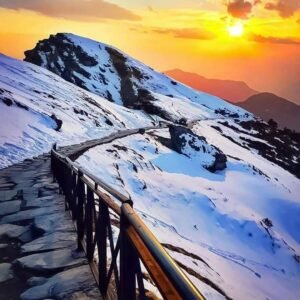
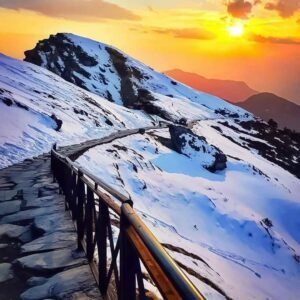
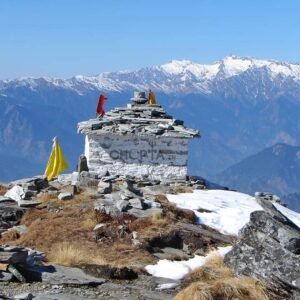
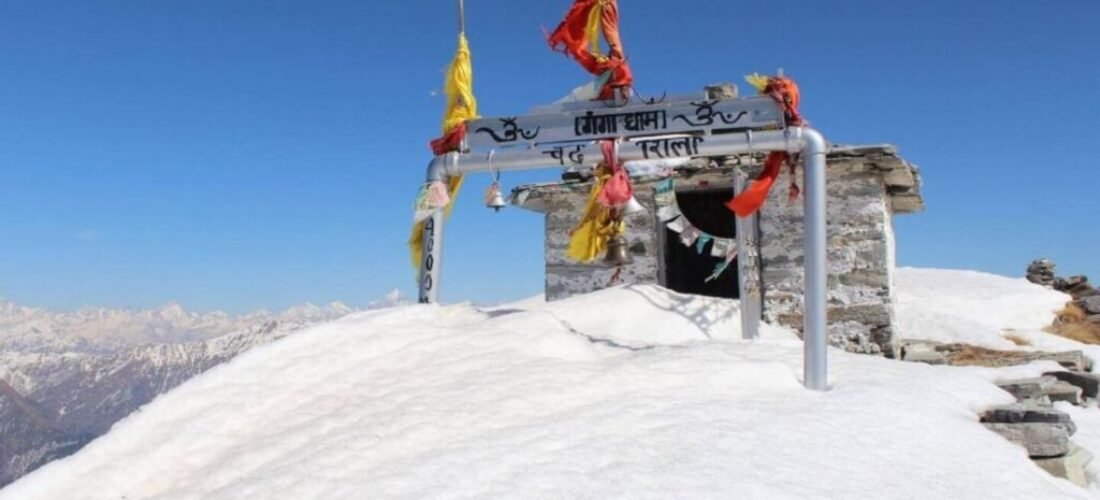
The Chopta Tungnath Trek is one of the easier treks in the Himalayan region.The peaks of Panchchuli, Nanda Devi, Nilkanth and Kedarnath are all clear during the course of the trek and make for a majestic sight. This trek encompasses a large area starting from Haridwar and ending at Chandrashila with a number of other interesting areas falling on the way. It is a perfect opportunity for first-timers who are looking to get a hang of the general basics of trekking in the Himalayan region and is recommended highly by us for the same. The major attractions of this trek are the Tungnath Temple and the Chandrashila peak which provides a breathtaking 360-degree view of the valleys below. Here is a detailed Chopta Tungnath Trek Guide to prepare yourself for a perfect trekking expedition.
Itinerary
Day 1: Rishikesh – Chopta
Chopta is the base camp for tungnath chandrashila Trek, for which we pick you from haridwar /rishikesh railway station at 6AM.haridwar is well connected with Delhi via train, buses and taxis. It will be a 8 hours drive through Devprayag- the holy confluence of river Bhagirathi and Alaknanda to form the mighty River Ganga. The drive takes your through some of the remote Himalayan regions along the river. Be mesmerized and thrilled at the same time throughout your drive. Arrival at chopta by evening, check into the campsite/guesthouse. Briefing in the evening along with hot dinner.
Day2: Chopta – Chandrashila via Tungnath
After an early breakfast at chopta, we gradually start ascending along the well maintained pilgrim trail towards tungnath which is 4 KMs from chopta. The trek can be a little strenuous today as the climb is almost sudden. The trek from tungnath is little steep and it will take around 45 min to reach chandrashila from here, the green rocky mountains and snow-clad mountain peaks from across of the valley keep the trekkers engaged. Upon arrival at chopta check into the campsite / Homestay. Explore the surroundings in the evening and retire yourself.
Day3: Chopta to Rishikesh
After breakfast it’s time to say bye to chopta with lots of good memories.It will take 8 to 9 hours to reach rishikesh. Spend the evening recounting the days spent in the mountains and by making new friends with a promise to meet and trek again to make memories of a lifetime. Overnight stay in camp with dinner in the hotel / guesthouse.
- Accommodation (as per the itinerary):
- Guest house (Triple sharing).
- Camping (Twin sharing basis).
- Meals (Veg + Egg):
- Day 1 Dinner to Day 7 packed lunch as per the itinerary.
- Support:
- 1 Versatile base camp manager handles communication and deploys extra manpower in emergencies.
- 1 Mountaineering & First aid qualified professional trek Leader.
- 1 Experienced high altitude chef.
- Local experienced guides (Number of guides depending on the group size).
- Enough support staff.
- Trek equipment:
- Sleeping bag, Sleeping liners (if required), Mattress, Utensils.
- 3 men all season trekker tent (twin sharing), Kitchen & Dining tent, Toilet tent.
- Camping stool, Walkie talkie.
- Ropes, Helmet, Ice axe, Harness, Gaiters & Crampon (if required).
- First aid:
- Medical kit, Stretcher, Oxygen cylinder, Blood pressure monitor, Oximeter, Stethoscope.
- Mules/porters to carry the central luggage.
- Clock room facility available at the base camp for additional luggage.
- All necessary permits and entry fees, Upto the amount charged for Indian.
- Services from Aru to Aru.
- Transportation (as per the itinerary):
- Transport from Srinagar to Aru & return : NON AC.
- Insurance (Mandatory).
- Food during the transit.
- Any kind of personal expenses.
- Mule or porter to carry personal luggage.
- Emergency evacuation, hospitalization charge or etc.
- Anything not specifically mentioned under the head Inclusion.
- Hotel stay in Srinagar.
Srinagar Accommodation: The stay at Srinagar on the last day is not included in the trek fee. However we can assist you in booking a hotel or a houseboat for the same, please let us know at least 15 days in advance to the start of the trek. The intimation is by email only at info@trekgoindia.com
Things can be provided on demand and availability (participant has to pay extra for these things).
1- Satellite phone/set phone – a type of mobile phone that connects via radio links via satellites orbiting the Earth instead of terrestrial cell sites like cellphones. Therefore, they can operate in most geographic locations on the Earth’s surface.
2- Gamow/PAC HAPO Bag (Portable Hyperbaric Bag) – is a unique, portable hyperbaric chamber for the treatment of acute mountain sickness (AMS), also known as altitude sickness.
3- AEDs (Automated External Defibrillators) – are portable life-saving devices designed to treat people experiencing sudden cardiac arrest, a medical condition in which the heart stops beating suddenly and unexpectedly.
How To Reach
Directions to go to Dehradun:
- By Air: Jolly Grant Airport is the domestic airport that serves Dehradun, and it receives frequent flights from the main metropolises located across India.
- Traveling by Train: The Dehradun junction is the closest railway station, and it has excellent connections to major cities located around India.
- By Road: The road network in and around Dehradun is extensive and convenient. To get to Dehradun from Delhi or any of the other surrounding cities, you have the option of either driving there yourself or hiring a cab or taxi. In addition, there is a consistent bus service between Dehradun and the surrounding areas because to the extensive road network.
Safety :
Points to remember for safety in the trek:
- It is essential that you arrive at the starting point of any hike or excursion in the best possible physical condition and readiness.
- The hike is not tough; in fact, if you can keep both your feet and your mind calm and strong during the journey, you will discover that the hike is rather simple.
- When you are out on a hike, bear in mind that you may not always be with your guide and that you may not always be on the correct trail.
- The majority of individuals glance both where they are going and where they are going while they are walking; this might produce twitching in your legs, which can make the whole journey difficult.
- It is imperative that you see your physician if you are experiencing any kind of health issue.
Fitness :
As you climb to higher altitudes, the air grows thinner and less oxygen is present. The amount of oxygen in our blood is equivalent to the proportion of haemoglobin that is saturated with oxygen. At altitudes above around 2,100 metres (7,000 feet), the amount of oxygen carried by our blood starts to decrease. At the same time, the human body possesses both immediate and long-term adaptations to altitude that help it somewhat compensate for the shortage of oxygen.
A Great First Trek for Anyone Who Wants to Get Into Hiking:
- The Kedarkantha Trip is a Moderate level trek in terms of fitness requirements. The track is well-marked and has only modest inclines and declines. Water fountains may be seen at various points throughout the path. However, it’s still best to be ready if you’re planning your first major Himalayan trekking adventure. Here is a plan for getting in shape for the trip.
- Our hikes are typically designed such that you cover around 9 kilometres in six hours, however this might vary somewhat depending on the terrain. It’s about the same as walking 6 kilometres an hour over the plains, therefore the speed is around 1.5 kilometres per hour.
- Following this plan, you may train yourself to run 3 kilometres in 30 minutes. Always begin your workout routine with some light stretching and warm-up moves.
- Follow this training schedule for trekking fitness required:
- Week 1: Walk for 10 minutes at a fast pace, jog for 10, and finish with a slow stroll for 10 minutes.
- Week 2: 15 minutes of jogging, followed by a 5-minute brisk walk. A leisurely stroll that takes no more than 5 minutes
- Week 3: Walk briskly for five minutes. Jogging for 15 minutes A brisk stroll that takes no more than 5 minutes
- Week 4: Do a brisk 5-minute walk, then a 25-minute jog, and finish with a 5-minute cool down.